Bedding · Mattress guide
How to Read an Organic Mattress Label: Materials, Certifications, and Construction
An organic mattress label is less a single verdict than a compact map of materials, manufacturing claims, and practical details. Read it component by component, and the difference between a meaningful certification and a vague promise becomes much easier to see.
Words such as organic, natural, and non-toxic can create an impression of clarity. On a mattress, however, they may refer to different layers—or may be used without the same level of independent verification. The ticking, filling, latex core, wool batting, and fire barrier may each have a distinct origin and certification status. A thoughtful label tells you what is in the bed, where a claim applies, and how the finished mattress is built.
Begin with the whole mattress, not the headline
A mattress is a layered object. Its outer fabric, comfort materials, support system, adhesives or bonding methods, and fire barrier can all differ. A prominent claim on a product page—“organic cotton,” for example—may describe only the cover. It does not automatically establish that the latex, wool, internal padding, or every other component is organic.
Start by asking a simple question: Which component does this claim describe? Look for a materials list that names each layer rather than relying on a broad phrase in a headline. A useful specification might identify an organic cotton cover, a wool layer, and a latex support core separately. If a label says only “made with organic materials,” without naming them or giving proportions, the claim is difficult to assess.
Also distinguish a material’s origin from the finished product’s status. Cotton may be certified organic before it is made into fabric; a fabric may then be processed, assembled, and incorporated into a mattress. The precise wording matters. A certificate for one ingredient is not necessarily a certification of the complete mattress.
Decode the material list, layer by layer
Good product information reads almost like a cross-section. It identifies what you touch, what cushions your body, and what supports it. Materials commonly found in organic or natural mattress descriptions include cotton, wool, latex, and, in some designs, metal coils. Their roles are different, and so are the questions worth asking.
Cotton: cover, batting, or both?
Cotton may be used as ticking—the fabric that encases a mattress—or as batting within its comfort layers. A label that specifies “organic cotton cover” describes the exterior textile, not necessarily the interior fill. If both the ticking and batting are claimed as organic, look for that distinction in the materials breakdown.
Check whether the product states the percentage of organic content and identifies the certification associated with the claim. Construction details can help too: quilted cotton batting, for instance, is not the same thing as a woven cotton cover. Neither is inherently better; each describes a different part of the mattress.
Wool: cushioning and a role in fire protection
Wool can be used as a comfort layer, a moisture-managing fiber, or as part of a fire-barrier system. Some manufacturers describe wool as helping a mattress meet flammability requirements, but the label should make clear how it is used. “Wool inside” is less informative than a specification naming wool batting and its position in the construction.
Look for the wool’s certification or sourcing details if those are important to you. Do not assume that a natural fiber automatically has a particular certification, or that a claim about one wool layer applies to the entire mattress. Care instructions matter as well: wool-containing mattresses may have specific cleaning limits, and a non-removable cover may rule out washing the mattress itself.
Latex: identify the type and the claim
Latex descriptions may refer to natural rubber latex, synthetic latex, or a blend. The word “latex” alone does not tell you which kind is present or how it was processed. A more useful specification names the latex type and identifies the relevant certification, if there is one. It may also describe whether the core is a single slab or several layers, and whether the latex was made using the Dunlop or Talalay process.
Those manufacturing terms describe production methods, not a guarantee of comfort or quality. Firmness, resilience, thickness, and the way the latex is combined with other layers all influence the final feel. People with a latex allergy should not use a broad “natural” claim as a substitute for product-specific allergy guidance; consult the manufacturer or a qualified clinician when necessary.
Support materials and other components
Not every mattress marketed as natural or organic is all-foam. Some use an innerspring or pocket-coil support unit beneath cotton, wool, or latex comfort layers. In that case, the coils are part of the construction even though they are not an organic fiber. The label may also mention a fire barrier, quilting thread, adhesives, or an encasement. A complete description acknowledges these elements instead of allowing a single material claim to stand in for the whole design.
What certifications can—and cannot—tell you
Certifications are most useful when you know exactly what they cover. Some standards focus on the organic status of agricultural fibers; others address chemical emissions, processing, or the finished article. A certification is not a universal endorsement of every quality a shopper might care about. It does not, by itself, tell you whether a mattress is comfortable, durable, appropriate for your body, or suitable for a particular bed frame.
For organic textiles, a certification may verify specified requirements for the material and its processing through a defined supply chain. For latex, a separate standard may apply to the rubber content and production. These are distinct claims. If both are present, check whether the certification applies to the relevant component or to the whole product. A logo by itself gives less information than the standard’s full name, the certified product or facility, and a certificate or license number that can be checked.
Certifications can also vary in scope and thresholds. The word “certified” should prompt a follow-up question: certified by whom, to which standard, and for what? Look for supporting documentation on the maker’s site or contact customer service for the certificate details. If a seller cannot clarify which layer is certified, treat the claim as incomplete rather than assuming it covers everything.
Terms such as chemical-free, eco-friendly, and non-toxic deserve particular care. They can be broad marketing descriptions rather than names of specific, verifiable standards. No mattress is literally free of chemicals: cotton, wool, latex, metals, and air itself consist of chemical substances. More useful information identifies specific ingredients, treatments, emissions testing, and applicable standards. A precise, bounded claim is more credible than an expansive promise.
A quick label test: Can you connect every major claim to a named material, a specific layer, and a standard or document? If not, ask the manufacturer what the claim covers.
Read construction as carefully as ingredients
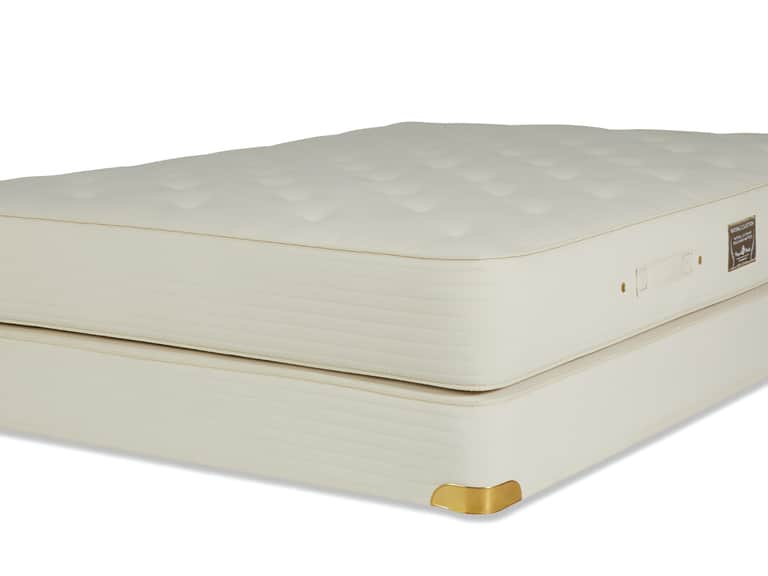
Materials describe what a mattress contains; construction explains how those materials work together. A latex mattress might have one continuous core, multiple latex layers of different firmness, or a latex comfort layer over coils. A cotton-and-wool mattress might place batting above a spring unit. Those differences affect feel, support, weight, and maintenance, even where the material names sound similar.
Look for a layer-by-layer description, including thickness where available. A specification such as “six-inch latex core with wool and cotton layers” is more useful than “natural comfort system,” though the full build may include additional details. If layers are described only as “premium” or “luxurious,” ask what they are made from and how thick they are.
Support should not be confused with firmness. The support core is the structural foundation; firmness is a subjective description of how the mattress feels at the surface. A mattress can be firm and still feel unsuitable if its pressure relief, dimensions, or compatibility with your base do not fit your needs. Firmness scales are not perfectly standardized between manufacturers, so treat a rating as a guide rather than a universal measurement.
Construction also affects how a mattress should be handled. A single-sided design may not be intended for flipping, while some models can be rotated. A latex core may need a supportive slatted frame with specified spacing; a heavy mattress may require a stronger foundation. Follow the maker’s instructions rather than assuming that every “natural mattress” has the same requirements.
The practical details worth comparing
Certification and materials answer only part of the buying question. Before deciding whether a mattress fits your home and habits, compare its dimensions, feel, care needs, and support requirements. The small-print details can matter as much as the headline materials.
- Firmness and feel: Find the maker’s description and, if possible, a clear explanation of how it was determined. Consider your preferred sleeping position and whether you share the bed.
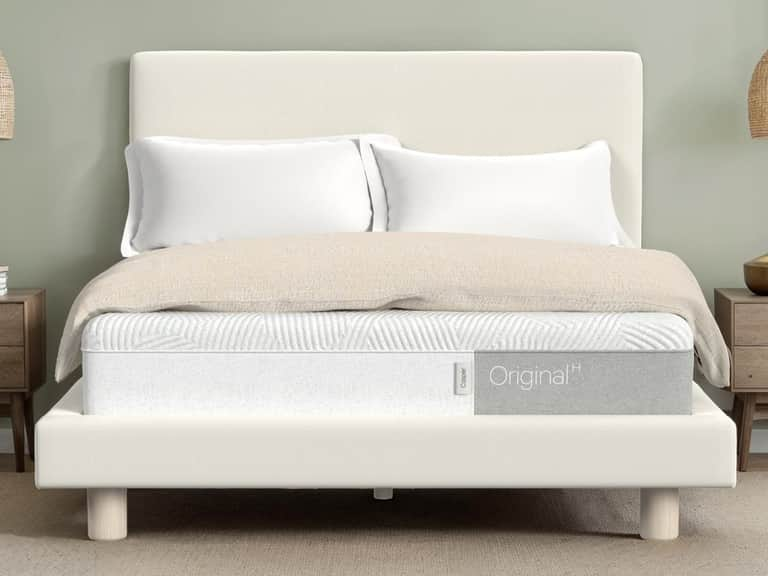
- Thickness: Check the mattress’s overall height, then account for the bed frame, foundation, and bedding. A thicker mattress may change the height at which you get in and out of bed.
- Care instructions: Confirm whether the cover is removable, whether the mattress can be rotated or flipped, and which cleaning methods are permitted. “Natural” does not mean machine washable.
- Foundation compatibility: Check the recommended base, slat spacing, center support, and any limits on platform or adjustable foundations.
- Weight and handling: Dense latex and layered constructions can be difficult to move. Consider delivery access, stairways, and whether the mattress can be repositioned safely.
- Warranty and trial terms: Review what is covered, how long the coverage lasts, and the conditions for returns or exchanges. These policies are separate from material certifications.
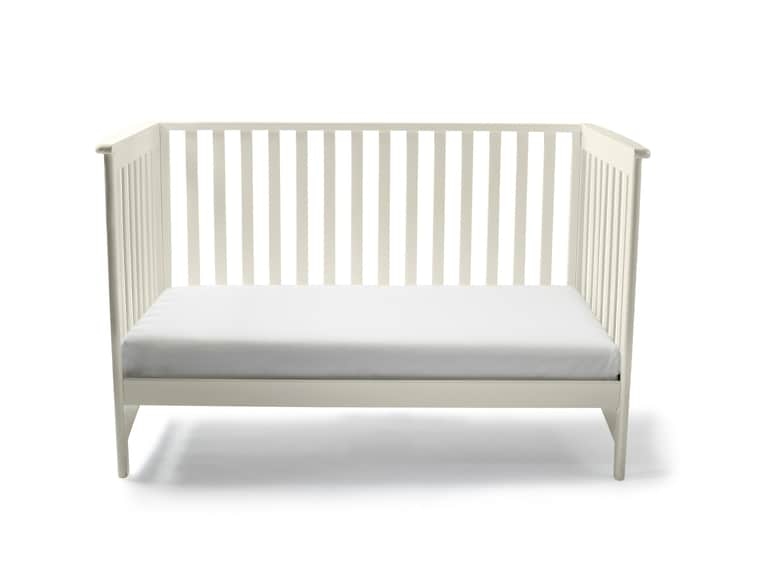
For a child’s mattress, safety requirements and the intended age range take priority over a general preference for particular fibers. Follow the crib or bed manufacturer’s specifications and relevant safety guidance. A label’s organic claim does not replace checks for correct sizing, fit, firmness, and use.
A calm, useful way to compare labels
Instead of trying to decode every marketing phrase at once, create a short comparison record for each mattress. Write down the material in each layer, the certification and its scope, the construction, and the practical requirements. This brings a crowded product page into focus and makes it easier to compare like with like.
- List the layers. Note the cover, comfort layers, support core, and fire barrier if disclosed.
- Assign claims to components. Mark exactly which layer is described as organic, natural, certified, or tested.
- Verify the standard. Record the certifying organization, standard name, and any product or certificate details available.
- Read the build. Note thickness, layer arrangement, coil or latex construction, and whether the mattress is one- or two-sided.
- Check daily-life fit. Compare firmness, dimensions, care, foundation needs, delivery logistics, and return terms.
If an answer is missing, ask a direct question: “Does this certification apply to the latex core or to the finished mattress?” is more likely to produce a useful response than “Is it truly organic?” A careful manufacturer should be able to explain the scope of its claims without relying on vague assurances.
Common label-reading misunderstandings
“Organic” means every layer is organic. Not necessarily. A product may contain one certified organic component alongside other materials. Check the component list and certification scope.
“Natural” means certified organic. These words are not interchangeable. A natural-material claim may describe a source or composition, but it does not establish organic certification.
A certification guarantees a perfect mattress. Certifications address defined criteria. They do not choose firmness for you, promise a particular lifespan, or establish that the mattress suits your body.
More certifications always mean a better choice. The relevant question is whether each certification answers something you care about. A clearly documented, component-specific claim can be more informative than a long row of unexplained logos.
Natural materials need no care. Cotton, wool, and latex can all require particular handling. Protect the mattress as directed, use appropriate cleaning methods, and follow instructions for rotation and support.
A label should leave you better informed
The most useful organic mattress label does not ask you to take a sweeping promise on faith. It names materials, locates them within the mattress, identifies the certifications that apply, and explains construction in language a shopper can compare. It also provides the unglamorous but essential details: thickness, firmness guidance, care, and foundation requirements.
Read the mattress as a system. Cotton on the surface, wool in a comfort or fire-barrier role, and latex in a support core may each carry separate claims. A certification can lend rigor to one of those claims, but only when its scope is clear. With that distinction in mind, you can move past the romance of a label and make a choice grounded in both materials and everyday use.
Organic mattress label checklist
- Are the cover, filling, and support core listed separately?
- Does each organic or natural claim identify the material it describes?
- Are certifications named, and is their scope clear?
- Does the construction description explain how the layers are arranged?
- Are firmness, thickness, care, and foundation requirements provided?
- Can the manufacturer answer questions with specific, verifiable information?