Comparing Natural Latex Mattresses: Comfort, Benefits, and What to Expect
Explore the differences between natural latex mattresses and other materials, focusing on comfort, durability, and environmental factors. This guide helps shoppers understand how natural latex stacks up in firmness, feel, and longevity for better sleep decisions.
Published September 30, 2026
Natural latex basics: what it is, how it's made, and why it can offer responsive support
Natural latex is a material derived from the milky sap of rubber trees (Hevea brasiliensis) that is processed into a resilient foam. Unlike synthetic foams, natural latex is often produced via a Dunlop or Talalay process, resulting in a durable, buoyant core that responds to body weight and movement with a springy, buoyant feel. This buoyancy translates to a sense of lift and pressure relief that many sleepers find more comfortable over time.
When we talk about natural latex in mattresses, we are typically referring to Talalay or Dunlop-derived foams. Talalay latex is lauded for its uniform cell structure, which yields a smooth feel and excellent breathability. Dunlop latex tends to be denser and offers robust support with a slightly firmer, more grounded feel. Both varieties come in different firmness levels, allowing shoppers to tailor a feel to their preferred sleeping position, whether that’s back, side, or stomach.
Compared with memory foam, natural latex tends to maintain more consistent contour without the “sinking” sensation that can occur with some viscoelastic foams. And when stacked against traditional innerspring systems, latex adds a unique blend of responsiveness and pressure distribution that many sleepers find particularly advantageous for spinal alignment and long-term comfort.
Comfort profiles and firmness: translating blends and density to a buoyant, balanced feel
The comfort you experience on a natural latex mattress is shaped by several factors: the latex’s density, the specific latex blend, the presence of other comfort layers, and the overall mattress construction. In latex-only configurations, manufacturers usually provide a range of densities, commonly denoted in pounds per cubic foot (PCF). Higher density latex generally offers more support and durability, while lower density latex tends to deliver a softer, more enveloping feel.
For many sleepers, a medium to medium-firm feel in natural latex provides a balanced combination of contouring and support. Side sleepers often appreciate a version with a touch more give to relieve shoulder and hip pressure, while back and combination sleepers may prefer firmer latex to maintain spinal alignment during movement. It’s important to note that the absence of other materials—like memory foam—does not necessarily equate to a lack of pressure relief. A well-constructed latex mattress can offer generous contouring through the resilient cell structure, especially when paired with a breathable cover and a thoughtfully designed comfort layer.
If you encounter a two-layer latex design, the top layer might be a softer natural latex blend, while a firmer core supports the heavier body zones. This multilayer approach can deliver nuanced zoning, allowing sleepers to experience a plush initial feel with lasting midsection support. For hotel-standard durability and long-term comfort, latex’s durability often translates to a more stable feel over many years.
Practical considerations: durability, temperature regulation, and maintenance tips
Durability is one of latex’s strongest selling points. Natural latex resists sagging and maintains its contour more reliably than many polyurethane foams, which can soften and lose support over time. A latex mattress can therefore be a strong long-term investment for sleepers who want a stable, supportive sleep surface.
Temperature regulation is another hallmark of natural latex. The material’s open cell structure and breathability contribute to airflow within the bed, helping to dissipate heat more effectively than some dense memory foams. When a latex mattress is paired with a breathable cover and a properly chosen foundation, it can sustain a comfortable microclimate across seasons.
Maintenance is straightforward: rotate the mattress regularly (as recommended by most manufacturers) and follow care guidelines for protectors and coverings. Latex itself resists settling, and with proper support—such as a solid slatted foundation or a compatible platform bed—it can maintain its integrity for years.
Myth-busting tip: natural latex is inherently resistant to dust mites and many allergens due to its closed-cell structure and antimicrobial properties of natural latex blends. While no mattress is entirely allergen-proof, latex is often a favorable option for sleepers seeking a breathable, clean sleep surface.
Comparative lens: natural latex vs memory foam vs innerspring
When weighing natural latex against memory foam, many shoppers describe latex as having more buoyancy and quicker recovery. Memory foam tends to offer deeper contouring and can be excellent for pressure relief, particularly for heavier individuals or those needing precise alignment. However, memory foam can trap heat in some cases, and its slower response can feel less supportive for some sleepers.
Against innerspring systems, natural latex provides a different interaction with the body. Innerspring mattresses often rely on coil systems to create bounce and support, sometimes with comfort layers above. Latex introduces a more uniform, responsive hug that distributes weight evenly and minimizes motion transfer in many configurations. For couples, latex’s stability can translate to a more undisturbed sleep experience.
The right choice depends on personal priorities: temperature, contour, and how you move during the night. Some shoppers pair latex with a breathable pillow-top or quilted cover to optimize temperature, while others prefer a minimalist latex core with a separate breathable protector to maximize airflow.
Materials and composition: what to look for in natural latex mattresses
When evaluating natural latex, consider the source and certification. Look for certified organic latex or natural latex claims that indicate a higher probability of responsible sourcing. Certifications such as OEKO-TEX or GOTS for fabric components reflect a broader commitment to safety and environmental stewardship. A transparent supply chain and third-party testing can be meaningful indicators of quality.
The cover material also matters. Natural, breathable fabrics like organic cotton or wool blends complement latex well by supporting temperature regulation and moisture management. The overall texture and layering—top comfort layer, latex core, and any transition or stabilizing layers—contribute to the final feel and longevity.
In addition to materials, the mattress’s edge support, base construction, and thickness all influence the perceived comfort and durability. A thoughtful combination of latex density, layer arrangement, and supportive foundation leads to a mattress that maintains its shape and feel across years of use.
Myths and quick buying takeaways for informed decisions
- Myth: Natural latex always sleeps cooler than memory foam. Reality: cooling depends on density, layer structure, and cover, not solely on latex versus memory foam.
- Myth: All latex is the same. Reality: Talalay and Dunlop processes yield different feels; density and formulation (hard vs soft) further shape comfort.
- Myth: Organic labeling guarantees no chemicals. Reality: certifications for materials and fabrics matter; always review the full supply chain and third-party testing.
- Takeaway: Prioritize your sleep position and temperature preferences. For allergy-prone sleepers, seek breathable covers and naturally moisture-wicking layers that complement latex’s properties.
When to choose a natural latex mattress
If you value a resilient, buoyant surface with steady support, natural latex can be an excellent choice. It suits many sleepers who want durable performance without the sinking feeling sometimes associated with memory foam. For those who sleep hot or demand a fast-response surface, latex’s breathability and springy feedback can be particularly appealing.
If you prefer a lighter, more buoyant sensation or want to minimize motion transfer while staying cool, a latex mattress is worth testing. For hybrid configurations that combine latex with coiled systems, you can enjoy the best of both worlds: adaptive pressure relief from latex and the bounce or zoned support from coils.
Remember to try multiple firmness levels and thickness combinations in-store or during trial periods. Your body’s comfort response is personal, and a well-chosen latex mattress should feel like a natural extension of your favorite sleeping posture.
A glance at related products on this site
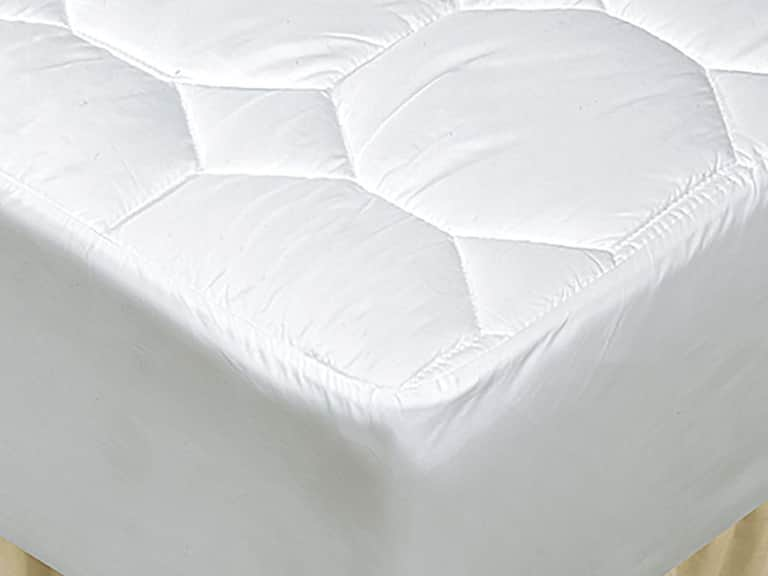
If you’re exploring complimentary sleep enhancements, consider a high-quality, breathable mattress pad that protects and elevates your latex surface. The DownTown Company Luxury Cotton Mattress Pad, crafted with a plush cotton fill and a honeycomb quilted cover, brings understated elegance and practical care to the bed. Its 18" deep pockets and adaptable fit ensure a secure night’s rest, while Austrian craftsmanship signals durable quality. This pad is machine washable for convenient care and can pair elegantly with latex mattresses to maintain a pristine sleep surface.
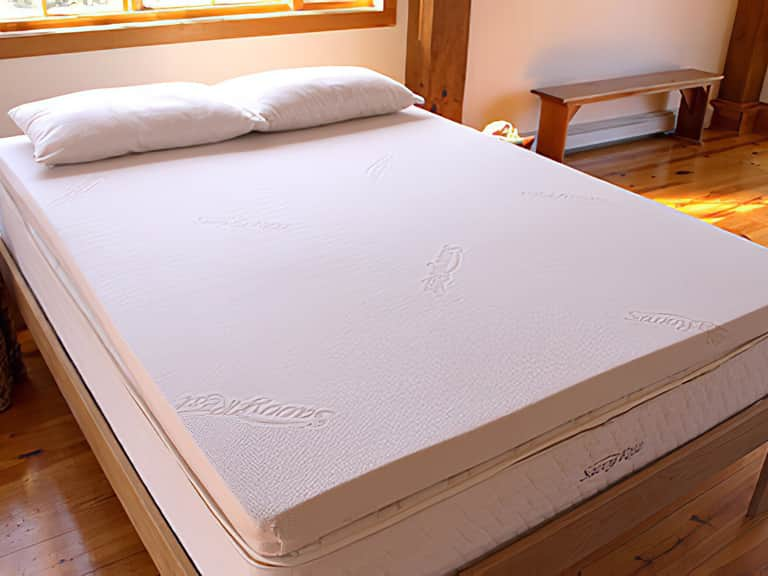
Another option that complements breathable latex is the Savvy Rest Vitality Latex Mattress Topper. While not a full mattress, a latex topper can adjust the feel when you want to soften or soften slightly for a different night’s mood. The Vitality topper uses natural Talalay latex encased in an organic cotton cover, delivering extra cushioning and pressure relief without introducing chemical heaviness. If you’re curious about layering strategies, this topper can be a useful tool to personalize your latex experience.
For those who seek a broader sleep-surface upgrade, a curated mattress pad such as the Downtown Company Luxury Cotton Mattress Pad can enhance the overall bed experience. It offers breathable softness, a secure fit, and a touch of refined aesthetics that complements a latex core.
Glossary and quick references
- Talalay latex: A manufacturing process yielding a uniform cell structure for a smooth feel and high breathability.
- Dunlop latex: A denser, often firmer core with solid support and a robust feel.
- Density (PCF): A measure of latex firmness and durability; higher density typically offers more support and longevity.
- Edge support: Structural reinforcement at mattress edges that prevents sagging during sleep or sitting on the side of the bed.
Conclusion: choosing with intention
Natural latex mattresses offer a distinctive blend of buoyant comfort, durability, and breathability that appeals to a broad range of sleepers. By understanding the differences between Talalay and Dunlop latex, acknowledging density variations, and considering how different layer configurations influence feel and temperature, you can select a latex mattress that remainsComfortable, supportive, and refreshing night after night.
In a world where sleep quality underpins overall well-being, a well-chosen latex mattress stands as a statement of intention: a commitment to a better night’s rest, crafted with care for both the body and the environment.